Just in case you weren't already aware, AI is big business. Nvidia dominates the red hot AI market, with the company now valued at over 1.7 trillion dollars, making it the world's 6th h25 com สล็อต largest company by market cap, and it's on track to overtake Amazon and Alphabet (Google) sooner rather than later. It's mostly achieved this on the back of soaring demand for its AI processors.
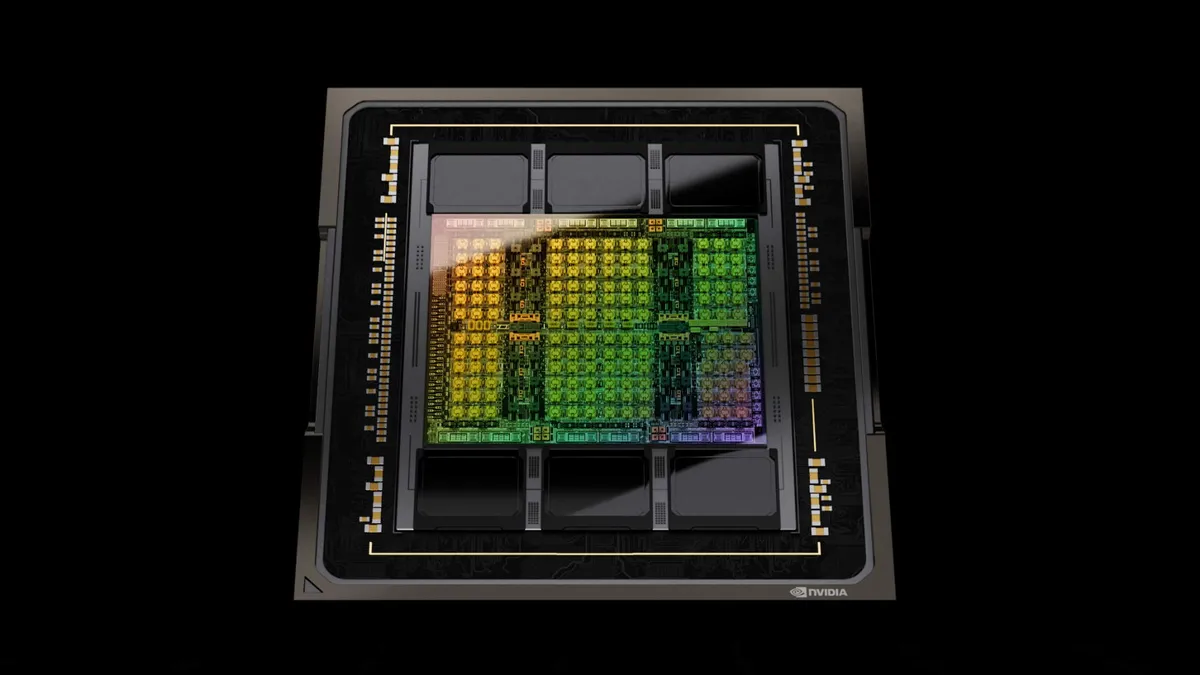
But while its H100 and A100 families of mega processors generate the big bucks, there's an emerging demand for custom AI processing. According to a report from Reuters, Nvidia is putting together a new business unit focused on custom solutions, allowing customers access to its growing portfolio of intellectual property.
If you're one of the Amazons or Facebooks of the world (I mean, aren't we all?), it makes sense to evaluate options that are faster, while using less power.
According to Reuters' sources, Nvidia officials have met with representatives from Amazon, Meta, Microsoft, Google and OpenAI to discuss making custom chips for them. It's also reportedly approached telecom, automotive—and the interesting one for us—gaming customers.

Best CPU for gaming: The top chips from Intel and AMD.
Best gaming motherboard: The right boards.
Best graphics card: Your perfect pixel-pusher awaits.
Best SSD for gaming: Get into the game ahead of the rest.
Apart from that little nugget and a bit of speculation, there's not much in this news for us at this point in time, but with AI set to make bigger inroads into the gaming space, there's every possibility that gaming specific AI hardware could be developed. Consoles are a case in point. Should Nvidia wish to pursue next-generation console contracts, Nvidia's AI hardware could make its way into the console market, making it easier for developers to integrate cross platform AI functionality into their games. Gaming optimized Tensor cores, anyone?
Among the lofty goals of gaming with AI are things like adaptive gameplay, procedural content generation and interesting NPCs with adaptive behavior. They're different workloads to the generative AI and LLMs out in the world right now.
Will Nvidia approach Sony and Microsoft and make a bigger play in the console market? There are many factors at play that would suggest not, but with its experience in AI, one shouldn't bet against some of Nvidia IP making its way into some form of future gaming product. If anyone knows a thing or two about gaming and AI, it'd be Nvidia.