Technologically speaking, America has been quite afraid of Chinese development for, well, ever, but there's been a significant resurgence of this thought since the boom of AI in the last few years. After much deliberation and argumentation, Nvidia was finally cleared from US scrutiny to import its H20 chips into China recently, and this came with concerns from China.
As reported by Bloomberg, Nvidia was summoned by "Beijing authorities" over suspected security risks with its H20 chips. Nvidia is said to have been asked to explain potential risks by the Cyberspace Administration of China, and whether or not Nvidia's chip had a backdoor, which could be accessed and logged remotely without the consent of owners.
In response, Nvidia states, "Nvidia does not have ‘backdoors’ in our chips that would give anyone a remote way to access or control them.”

Even with the US wanting to come out on top in regards to the development of AI, restricting Nvidia sales would negatively impact the company, its relationship with the US government, and that lost revenue translates to less taxes.
Talking to Bloomberg, Forrester principal analyst Charlie Dai says, “The CAC’s scrutiny over H20 security risks could further erode Nvidia’s Chinese market share amid rising domestic competition, and immediate H20 sales resumption may face delays due bk8สล็อตฟรี to regulatory uncertainty.”
Though this investigation could be read as paranoia, it's not entirely without cause. In May, a US politician argued to add trackers to all Nvidia GPUs so they can be bricked if they end up in China. Just days after this, a senator announced a bill pushing for the same outcome.
A statement from the CAC says, “US lawmakers have previously called for advanced chips exported from the US to be equipped with location-tracking features." It goes on, “the location-tracking and remote shutdown capabilities on Nvidia computing chips are ready, according to US AI experts.”
Just last month, Jensen Huang said, "Depriving someone of technology is not a goal, it's a tactic. And that tactic was not in service of the goal".
He continues, "Our mission, properly expressed... in order for America to have AI leadership…is to make sure the American tech stack is available to markets all over the world, so that amazing developers, including the ones in China, are able to build on [the] American tech stack."
The backdoor and tracking concerns from both sides don't seem to be done here, but Nvidia has gone some way to ease tensions. Huang praised Chinese domestic plans for AI recently, and it seems likely further commitments will be made there, too.
👉Check out our list of guides👈
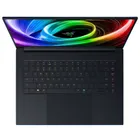
1. Best gaming laptop: Razer Blade 16
2. Best gaming PC: HP Omen 35L
3. Best handheld gaming PC: Lenovo Legion Go S SteamOS ed.
4. Best mini PC: Minisforum AtomMan G7 PT
5. Best VR headset: Meta Quest 3